 Retail
How XAG broker Rick Gutierrez turned one cold call into two listings: a cash sale of an off-market Texas Superfund property and an owner-financed retail center sale in Katy.
Rick Gutierrez, a commercial real estate broker at XAG Properties, turned a single cold call into two listings and a lasting client relationship. He found a cash buyer for an environmentally impacted Houston property within 48 hours of listing it. He then leased up a Katy retail center and closed its sale through owner financing, which protected the owner’s asking price.
Results:
A buyer client wanted a retail property just south of the Texas Medical Center. It had no listing, no broker, and no marketing.
Rick researched the ownership, identified the owner, and called him directly.
Round One: The Offer
Rick presented his client’s price. The owner said no.
Rick then asked the owner what price he would consider. The owner named a number, and Rick took it back to the buyer. The buyer passed.
Most deals end there. Rick saw something different. The owner was willing to sell. He just had a number the buyer would not meet.
Round Two: The Pivot
Rick told his buyer he planned to go back to the owner and offer to list the property himself. The buyer had no objection. The owner agreed to let Rick market it.
The property was a Texas state Superfund site under the Texas Commission on Environmental Quality (TCEQ). Many lenders avoid environmentally impacted properties. Others require extensive reviews, reports, and conditions first.
A buyer relying on a conventional loan would face:
The Strategy: Target Cash Buyers
Rick did not market the property to the general market. He went straight to cash buyers. These are investors who can close without a lender and who know how to price and manage environmental risk.
Result: Rick secured a cash buyer within 48 hours of listing.
Before ending the call, Rick asked the owner if he had anything else to sell or lease.
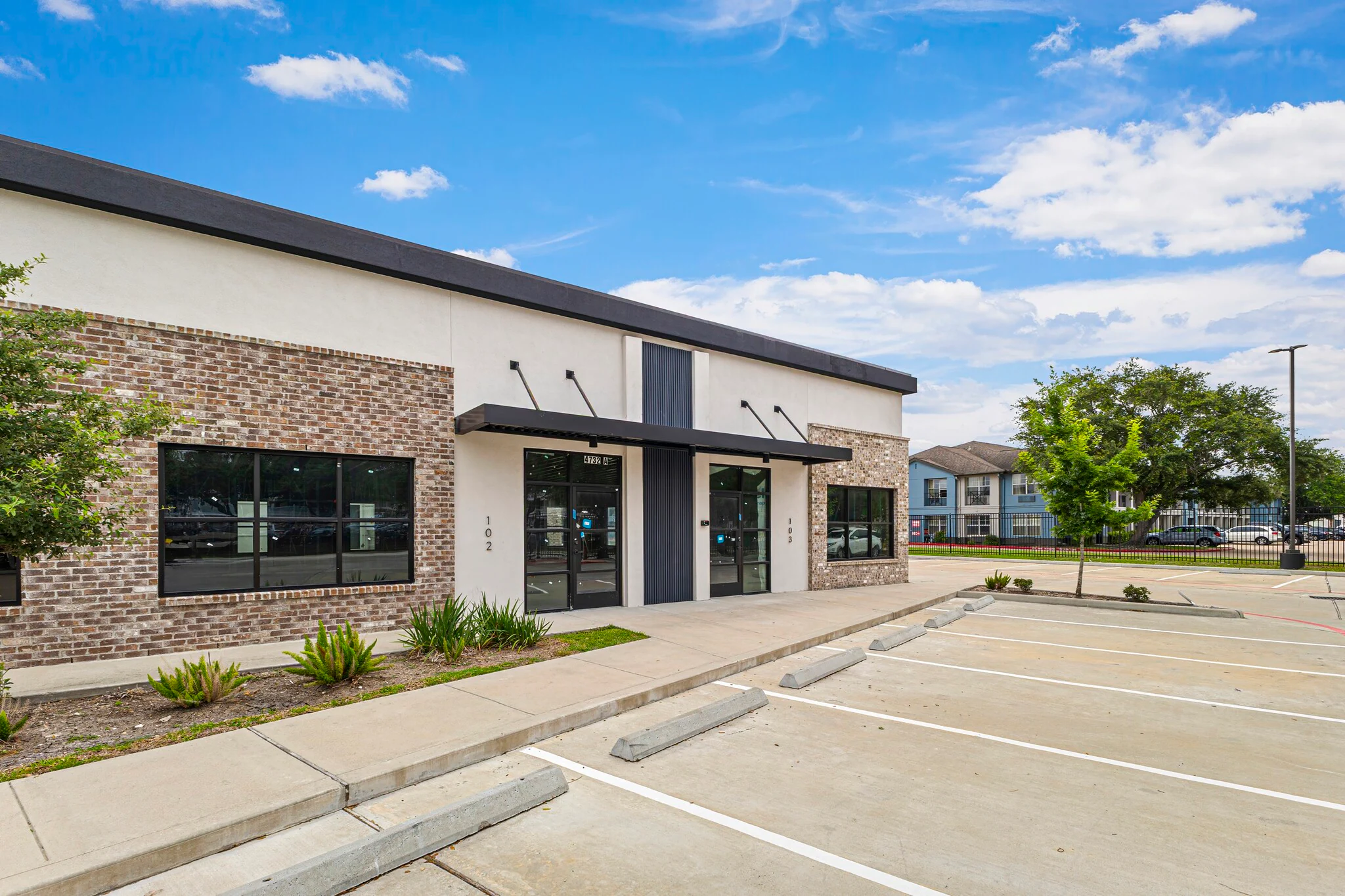
He did. He owned a neighborhood retail strip in Katy with a truck car wash on site. He wanted to sell, but only after the center was fully leased.
The owner already had a leasing agent under contract and wanted to honor that agreement. Rick respected that, noted the expiration date, and followed up as it approached. The owner hired him.
Leasing Up the Center
Rick leased the final vacancy and brought the center to full occupancy. The next step was selling at full market value. That is where the real challenge showed up.
On paper, the center was stabilized. Rick knew a lender would see it differently. His background as a mortgage broker gave him a clear view of how these deals get underwritten.
A conventionally financed buyer would have had to lower their offer to match what the lender would fund. Under those circumstances, the owner would have to accept a price cut to be able to sell.
Rick recommended the owner offer seller financing on both the retail center and the car wash business. He walked the owner through both sides.
Benefits
Drawbacks
The owner agreed. Rick brought in a qualified buyer, and the sale closed without the discount conventional financing would have forced.
Results
Can a broker sell a property that is not listed for sale?
Yes. Rick identified the owner through ownership research and contacted him directly. The owner was open to selling at the right price, which led to a listing.
Who buys Texas Superfund or environmentally impacted commercial property?
Mostly cash investors. They do not depend on lender environmental requirements and understand how to price environmental risk. In this case, Rick found a cash buyer within 48 hours.
Why do short lease terms make retail centers harder to finance?
Lenders often want 3+ years of remaining lease term before counting the income. Shorter terms reduce the income a lender will underwrite, which lowers the loan amount a buyer can qualify for.
What is owner financing in commercial real estate?
The seller acts as the lender and the buyer pays over time. It can help a seller keep their asking price, reach more buyers, earn interest, and potentially spread capital gains through an installment sale. The seller does take on default risk.
Does XAG Properties handle listings, leasing, and disposition?
Yes. In this case, Rick served as listing broker, leasing broker, and disposition advisor.